GUIDEPOSTS
Launch Your Environmental Career with the Coastal Expeditions Foundation
Are you passionate about the outdoors, environmental education, or coastal conservation? The Coastal Expeditions Foundation is offering two paid fall internships that provide hands-on experience in Charleston’s remarkable coastal ecosystems.
Running from September 1 through mid-December, both internships offer flexible schedules of 15–20 hours per week and compensation of $15 per hour. Students may also be eligible to earn academic credit through their college or university.
Assistant Naturalist Guide Internship
The Assistant Naturalist Guide Internship is ideal for students interested in marine ecology, outdoor recreation, nature interpretation, and expedition guiding.
Based primarily at Coastal Expeditions’ headquarters on Shem Creek in Mount Pleasant, interns will work alongside experienced naturalists, educators, boat captains, guides, and Foundation leaders. Activities may also take place at Kiawah River, Cape Romain National Wildlife Refuge, and Francis Marion National Forest.
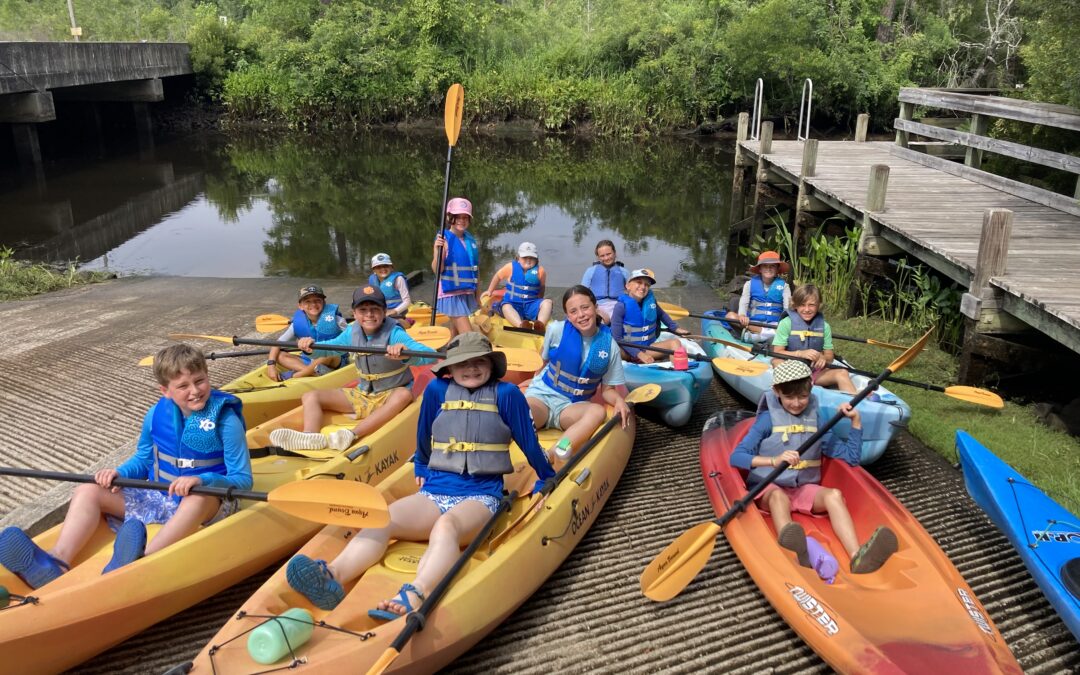
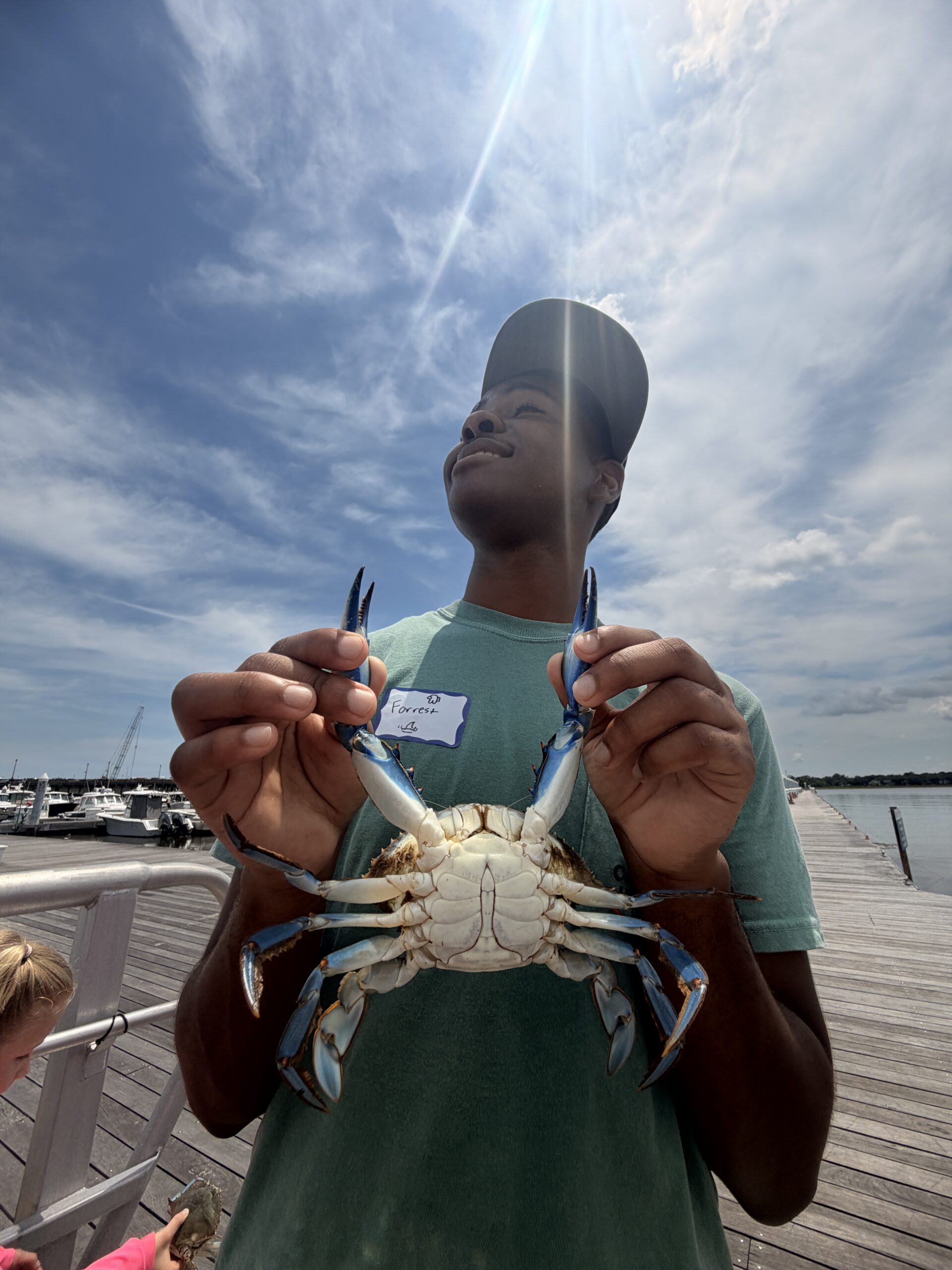
Interns will help prepare guests and students for outdoor adventures, provide paddle and safety instruction, share environmental knowledge, assist with group management, support boating operations, and maintain kayaks and other equipment. As participants develop their skills, they may have opportunities to take on more advanced responsibilities—including serving as the primary guide on local expeditions.
This position is especially well suited to outgoing, curious individuals who enjoy interacting with the public and are comfortable performing physically demanding work outdoors. Saturday availability is strongly preferred.
Teaching Assistant Internship
The Teaching Assistant Internship offers practical experience in youth environmental education and experiential learning.
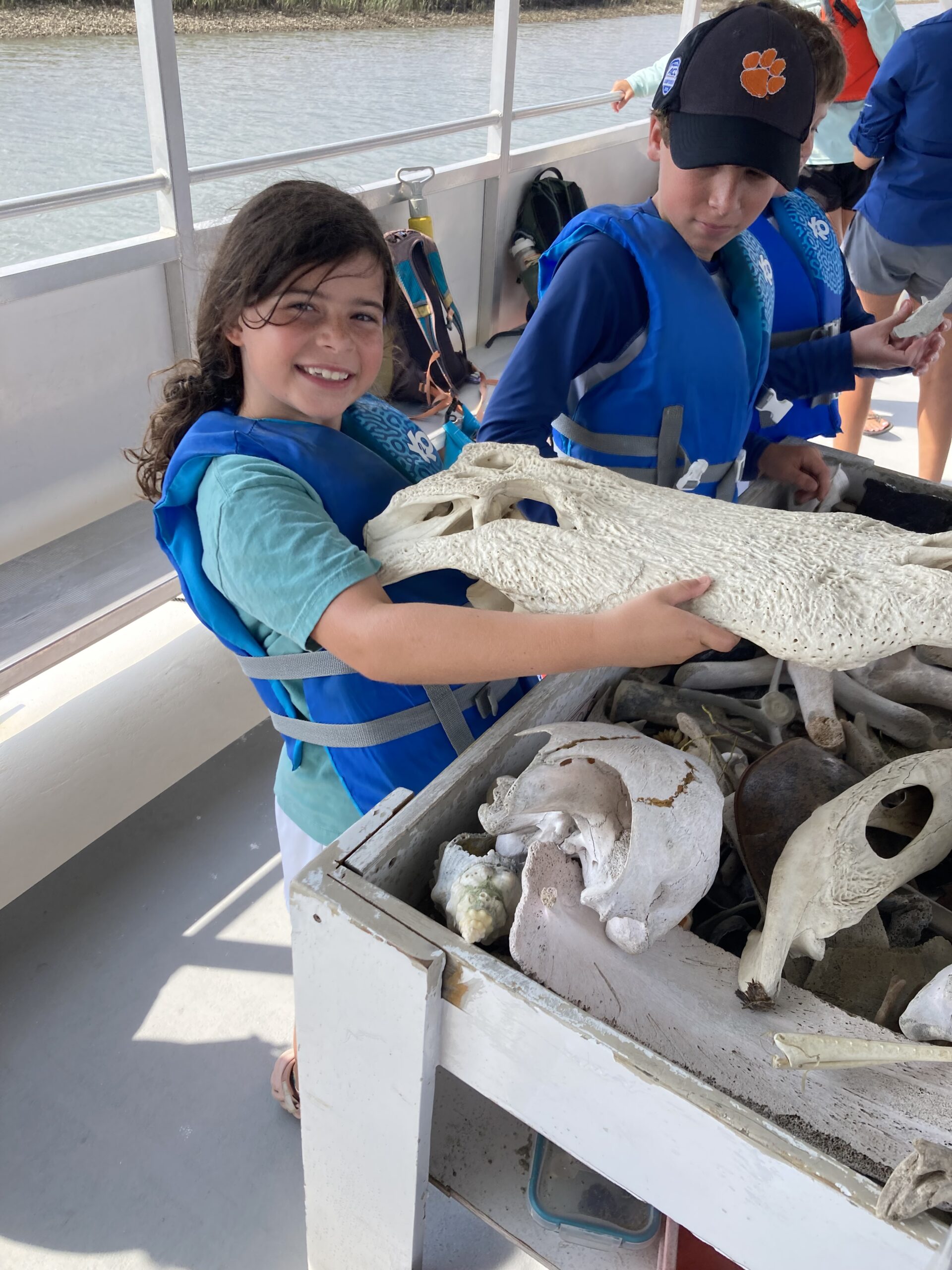
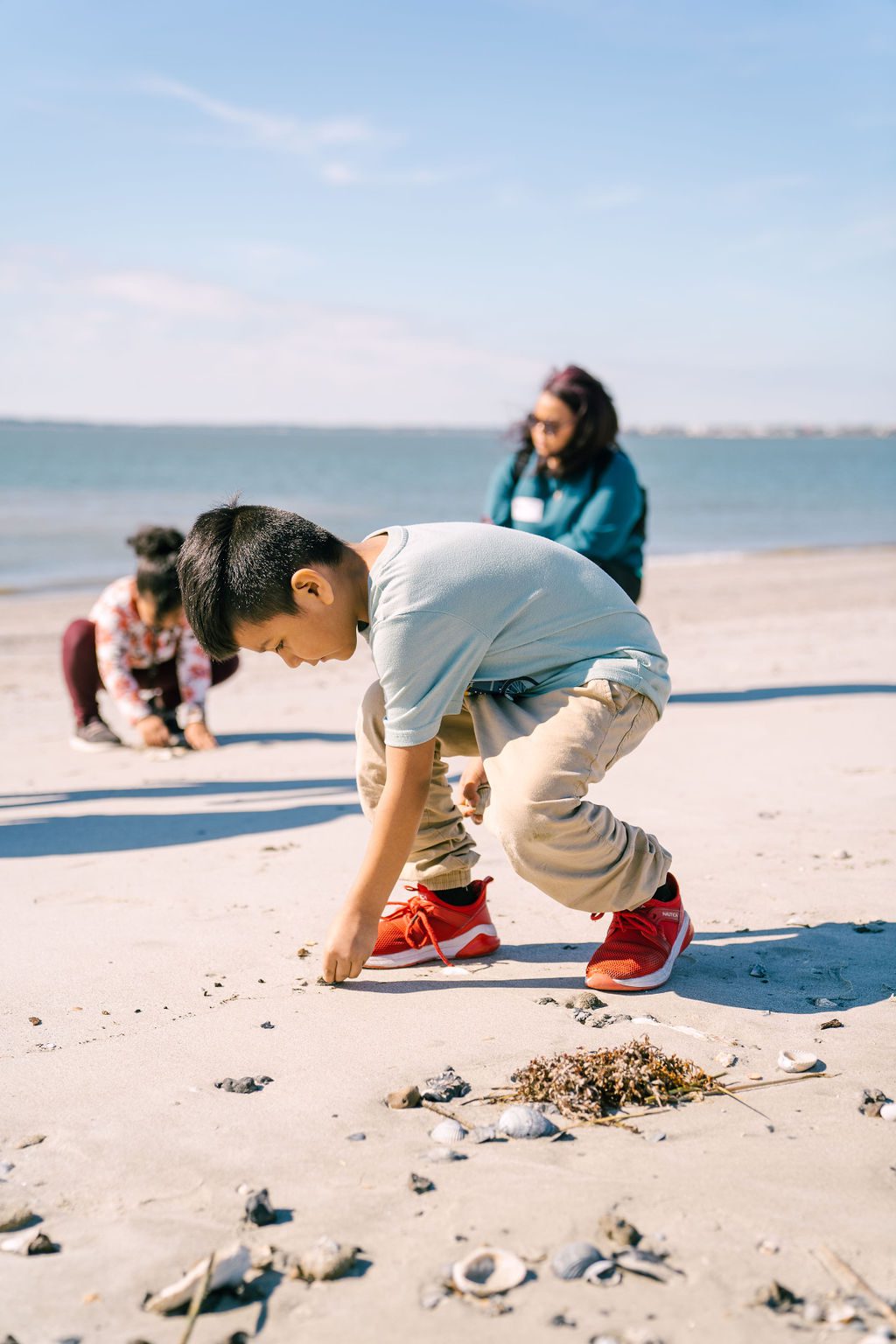
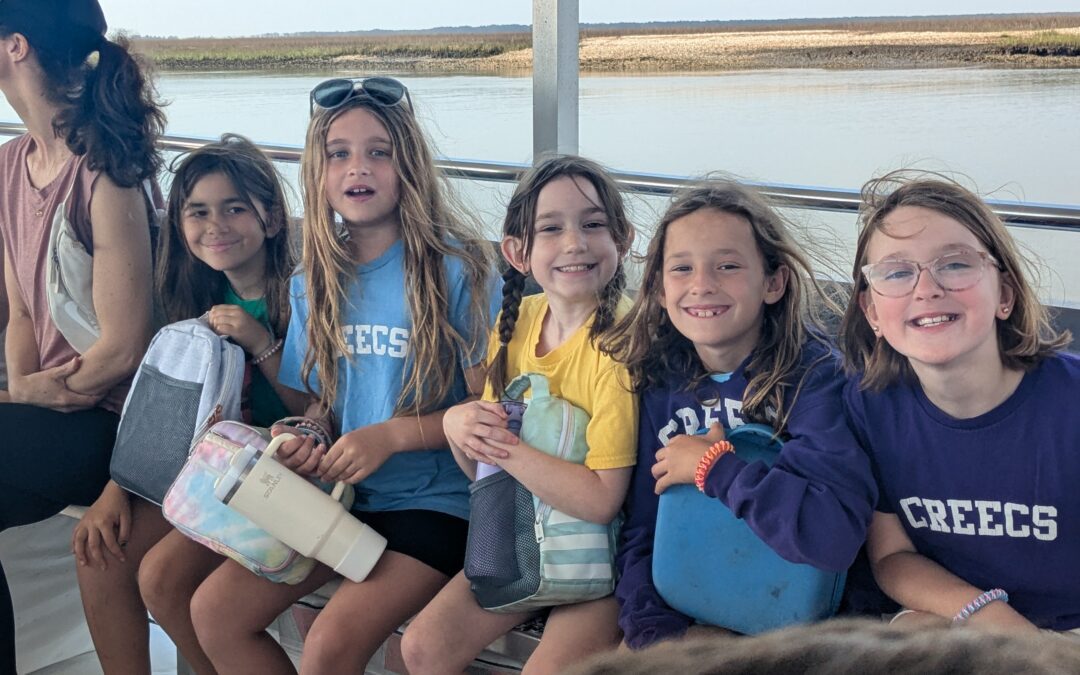
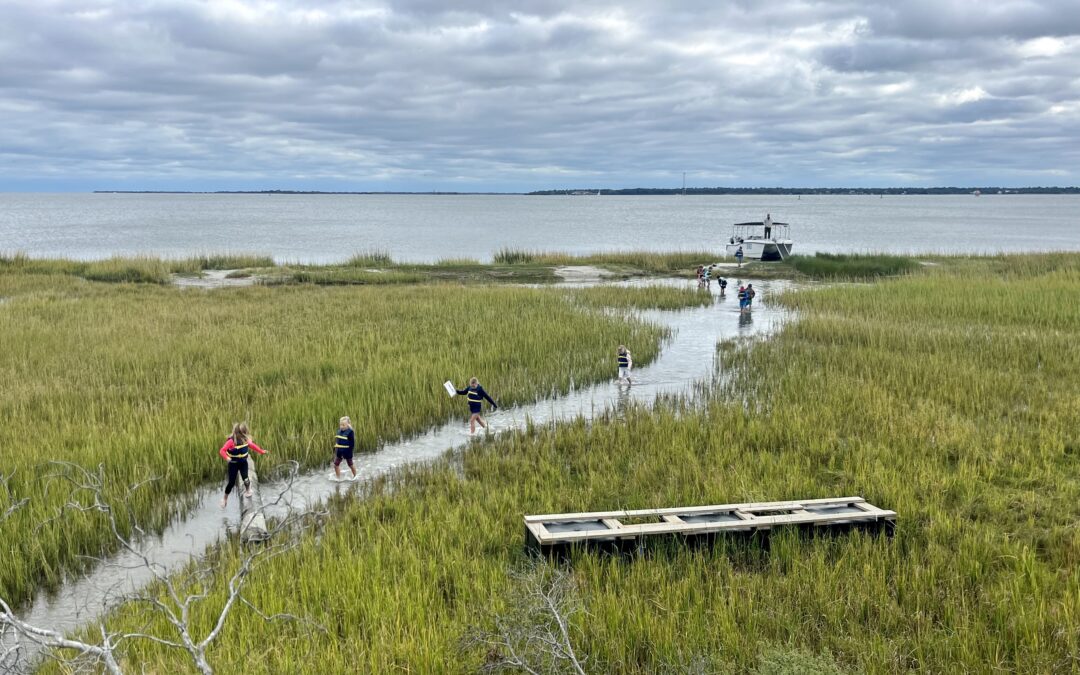
Interns will help lead field trips and afterschool activities for children ages 5–12, encouraging students to explore and discover the natural world. Programs take place in salt marshes, on barrier island beaches, in maritime forests, and within cypress-tupelo swamps. Expeditions may include kayaking, boating, fishing, crabbing, nature walks, swimming, and beachcombing for fossils and shells.
Teaching assistants will work with education staff to create fun and informative programming, mentor young learners, help manage groups, promote participant safety, and prepare materials before and after each activity. This role is a strong fit for applicants who care about the environment, enjoy working with children, and are eager to learn.