GUIDEPOSTS
Cape Romain Loggerhead Log: Update 2
*All activity conducted with loggerhead sea turtles in Cape Romain National Wildlife Refuge is done under state and federal permits (MTP-563)
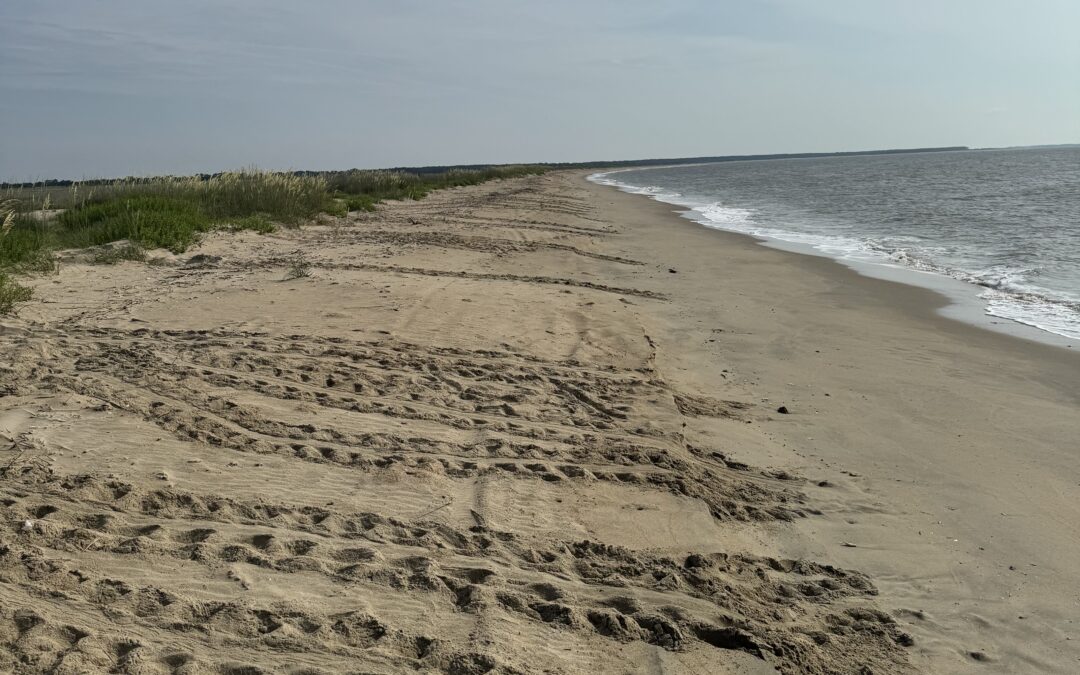
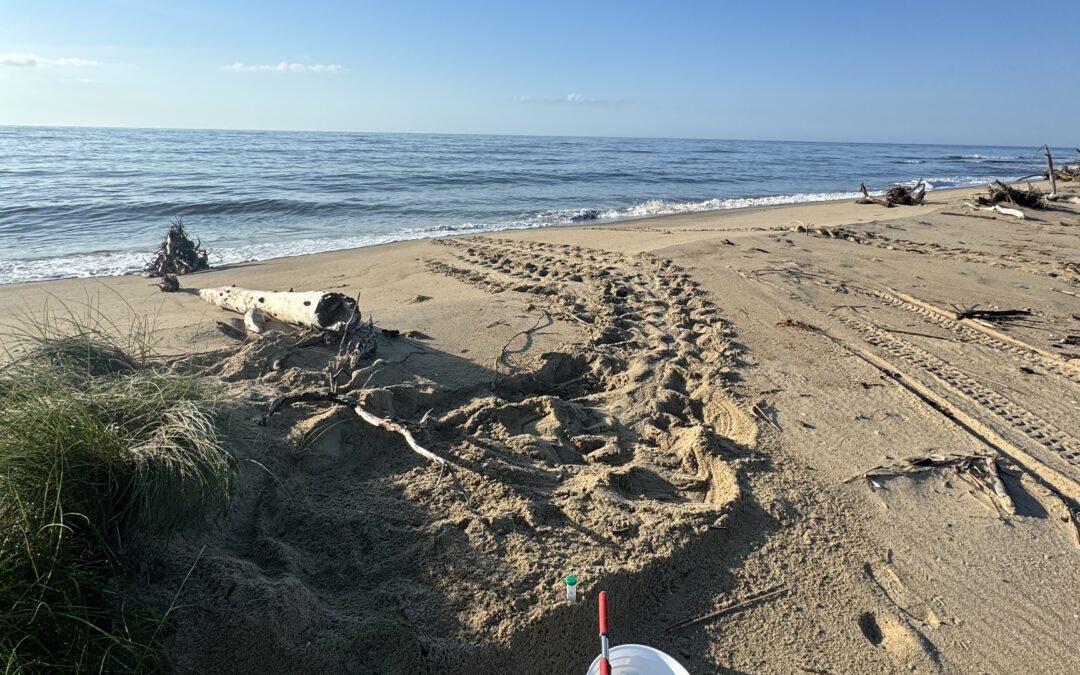
As of May 30, 2026, we have recorded 682 nests in Cape Romain National Wildlife Refuge
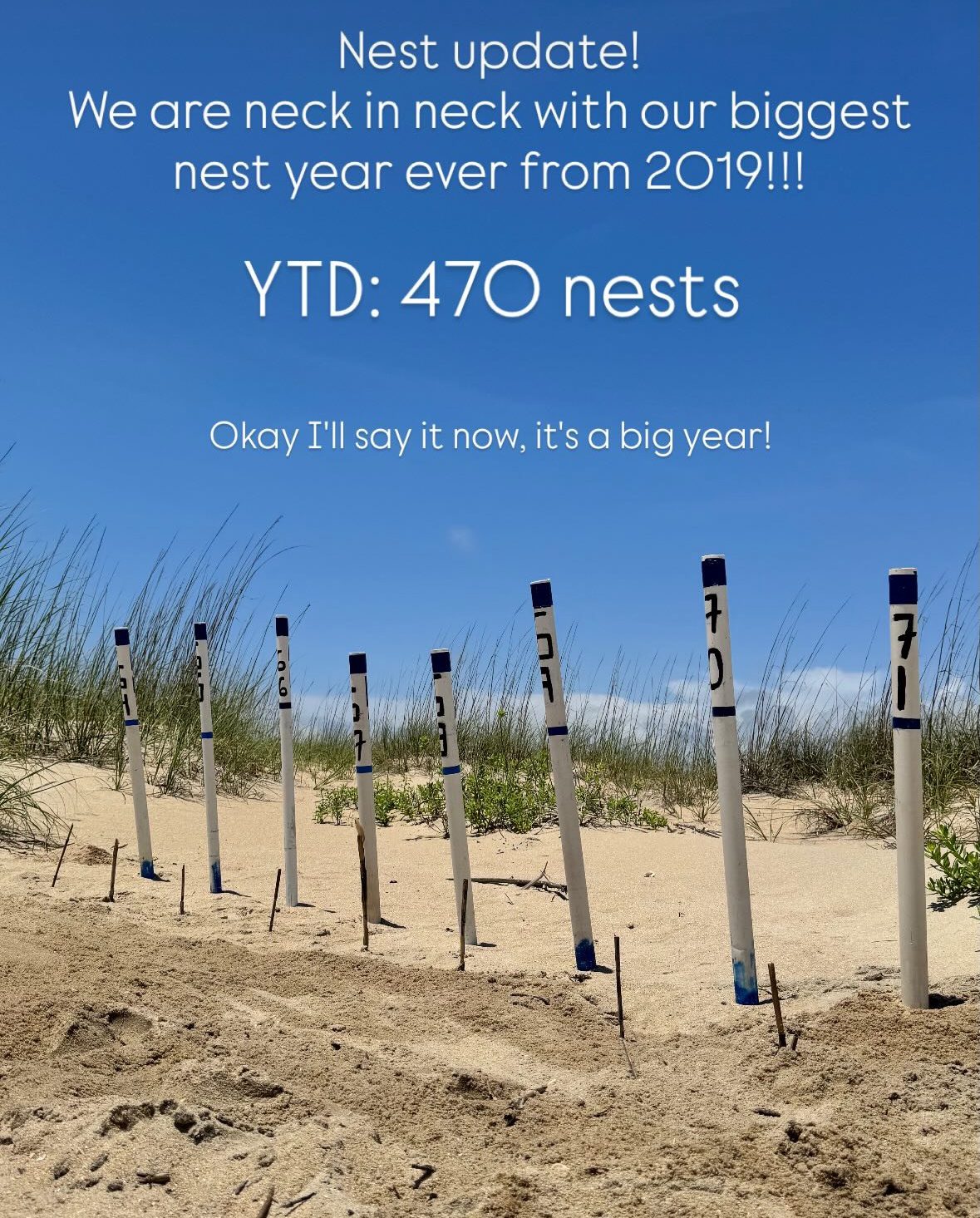
Instagram photo from wildlife biologist Abbie King last week. Will the pace keep up?
Nesting Update
The season is gaining momentum in a big way.
Cape Romain National Wildlife Refuge is now up to 682 loggerhead nests, and all signs point toward a strong summer ahead on the refuge beaches. After an early slow start, the team has been steadily adding nests each morning as the barrier islands come alive with sea turtle activity.
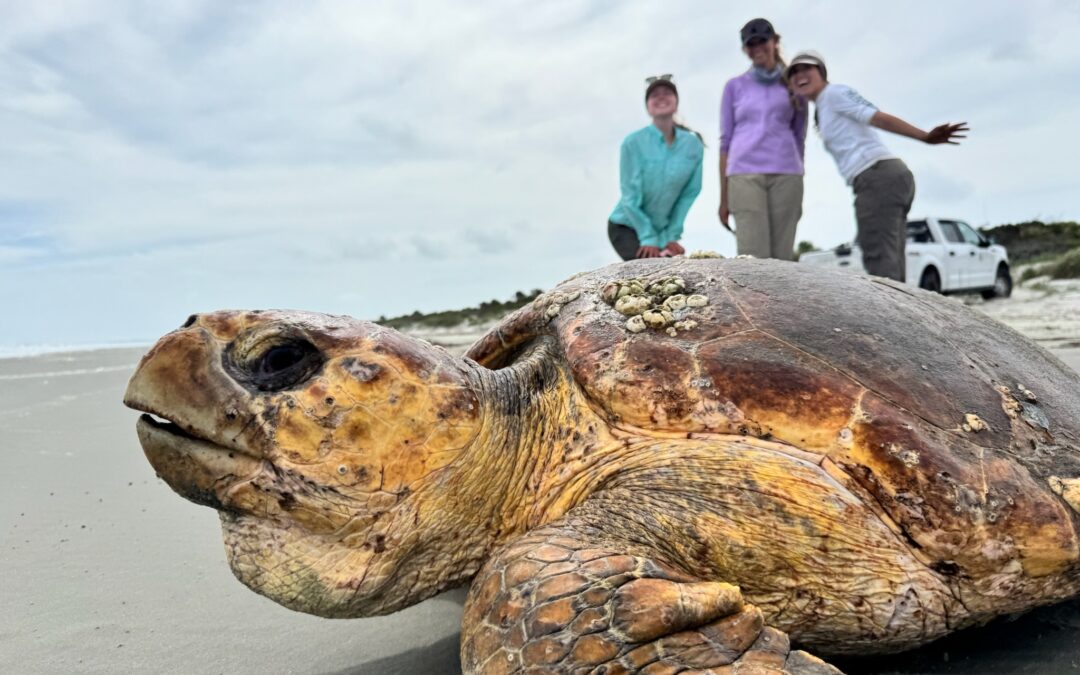
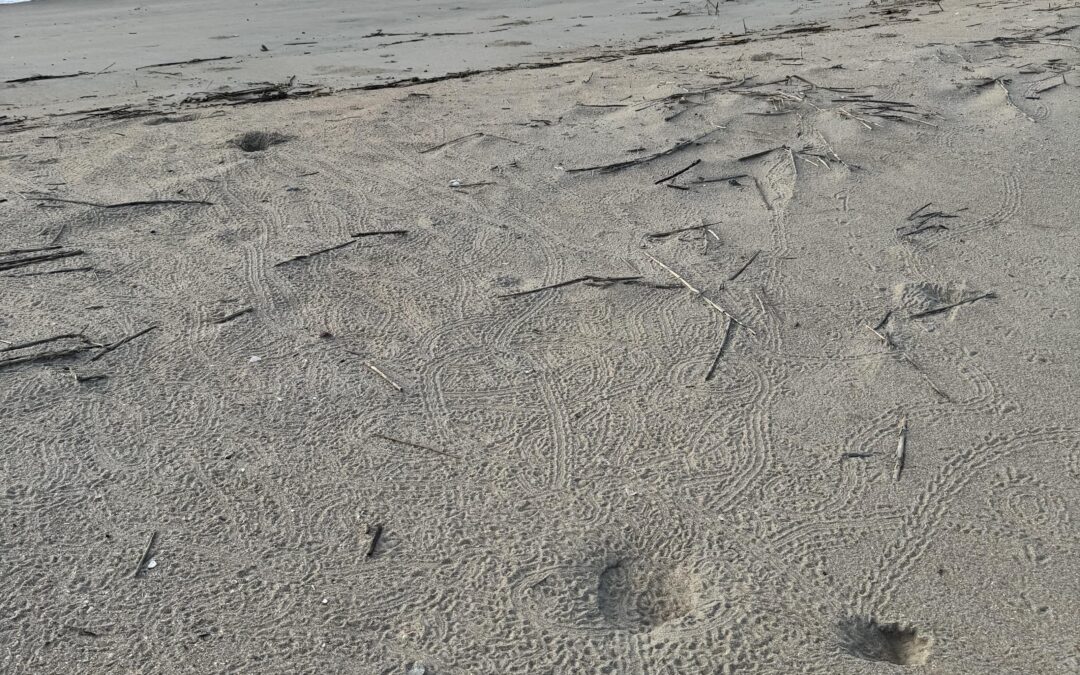
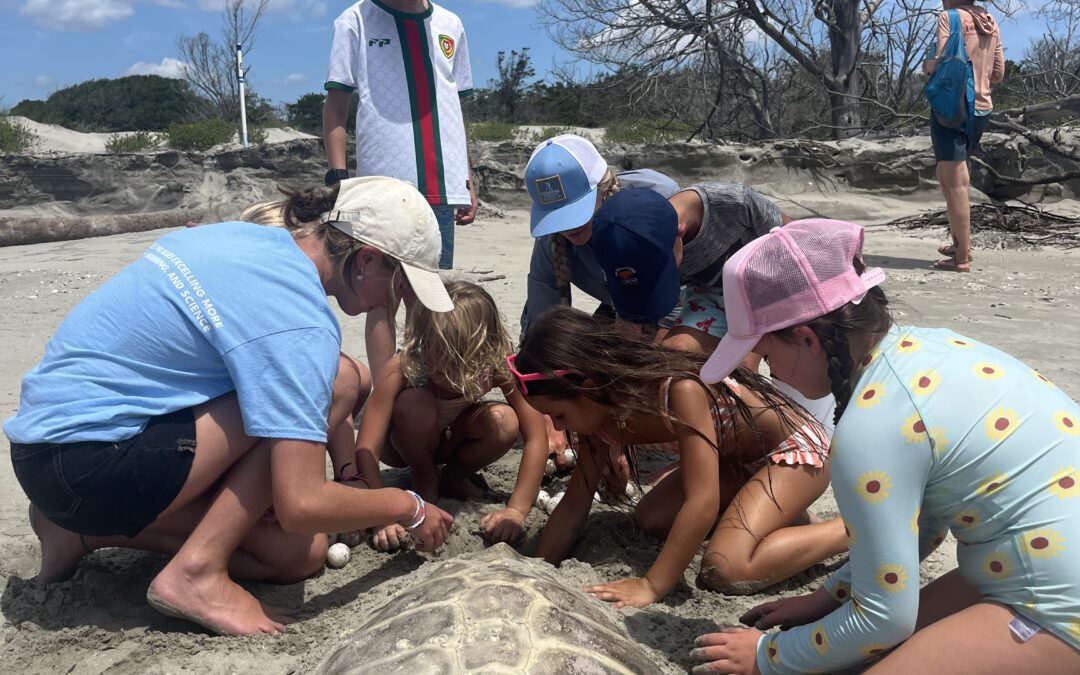
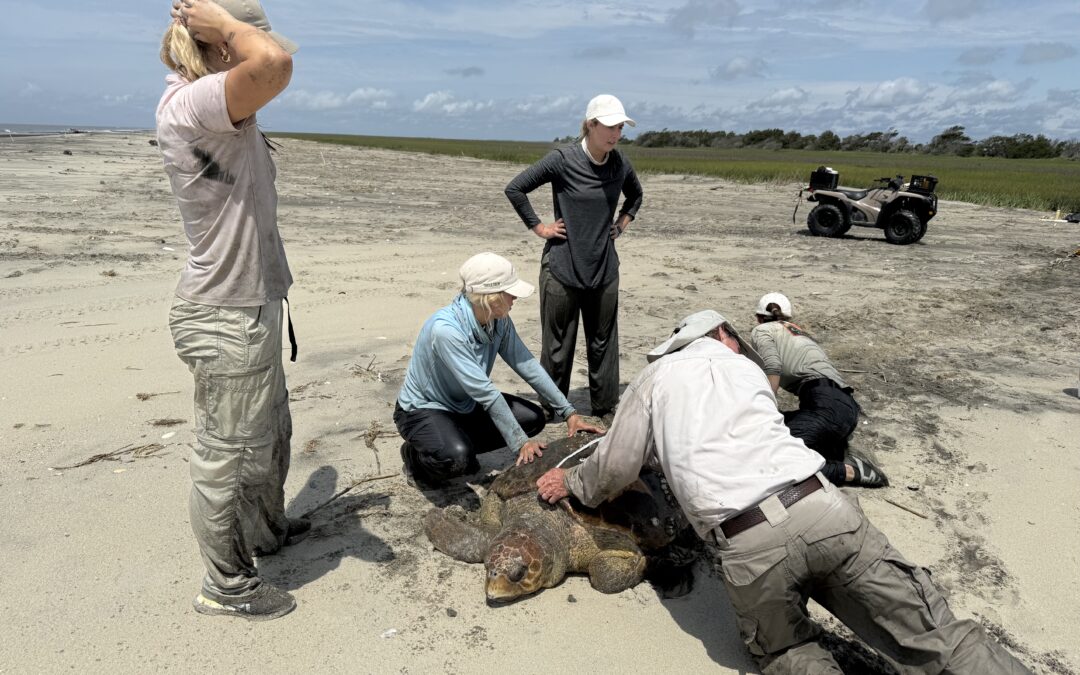
Long before most people are awake, the crew is already crossing the refuge by boat and ATV, scanning miles of remote shoreline for fresh crawls, protecting nests from predators and flooding, and relocating vulnerable nests laid too close to the high tide line.
Nearly half of South Carolina’s loggerhead nests are laid on two small islands in Cape Romain National Wildlife Refuge, a testament to the need for wild places and protected beaches.
What Are “Spacer Eggs”?
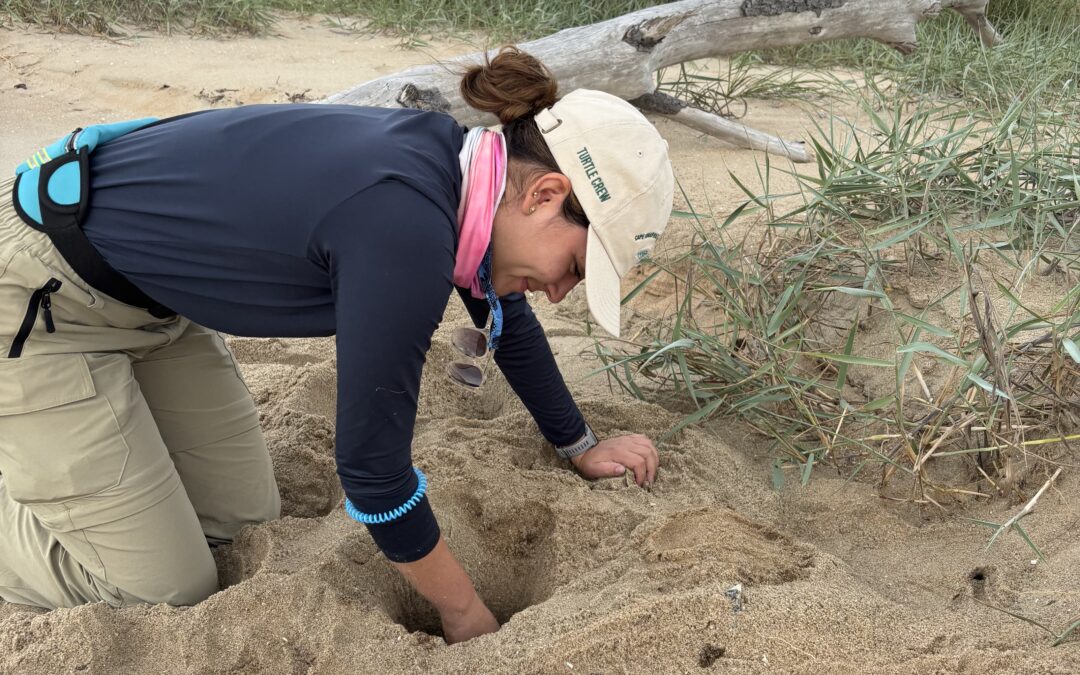
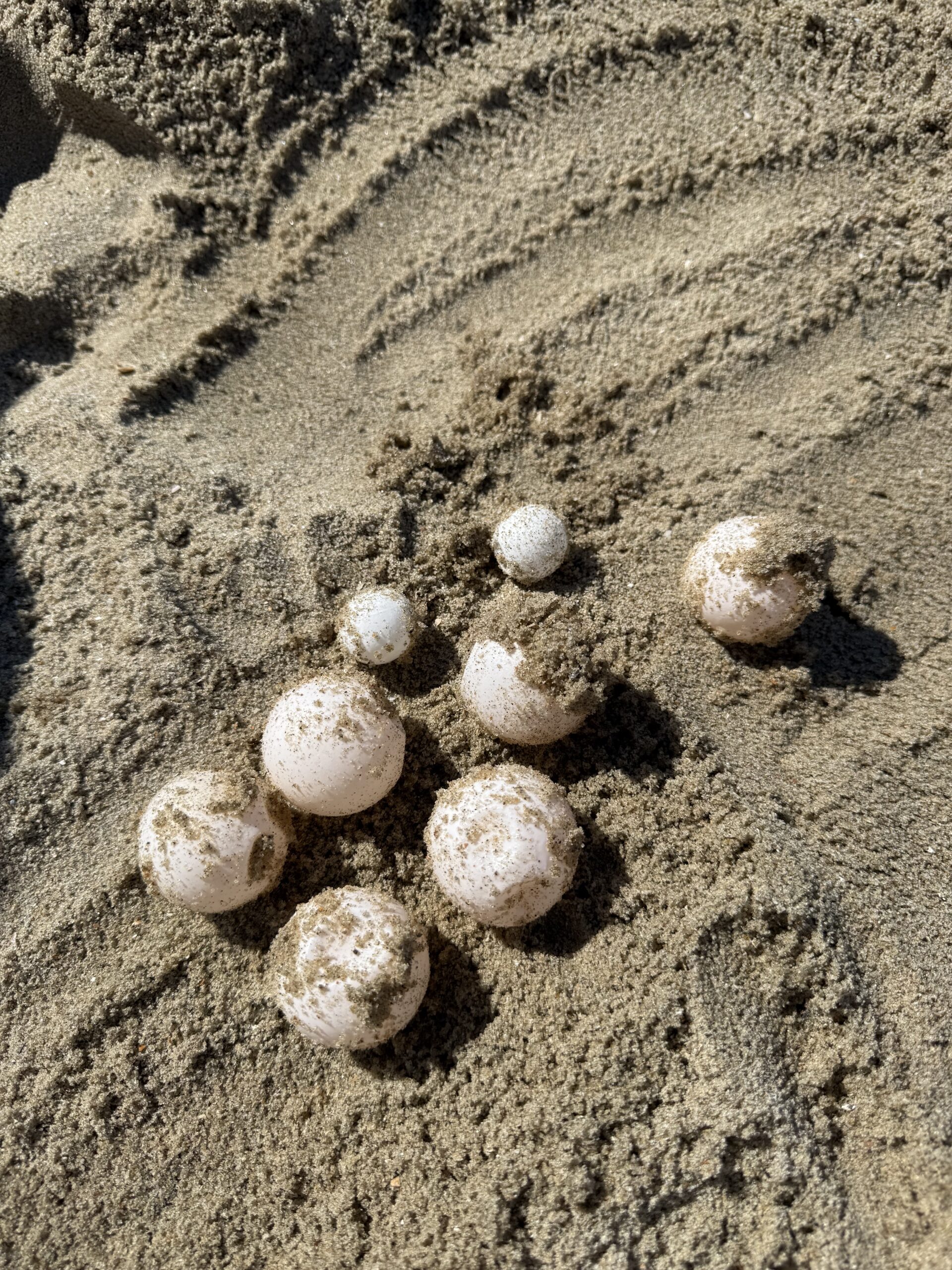
Coastal Expeditions Foundation intern Jenna shared a photo of a nest with several spacer eggs in the clutch.
These smaller, often irregularly shaped eggs are sometimes found within a loggerhead clutch and are believed to help create pockets of space and airflow inside the nest chamber. Researchers think they may play a role in preventing compaction, improving oxygen circulation, and helping maintain stable conditions for the developing embryos around them. According to the National Parks Service, these yolkless eggs contribute to a healthy microenvironment in the sand.
Not every clutch contains spacer eggs, and they often stand out immediately because of their size and appearance compared to the larger, healthy eggs surrounding them. They are more commonly found in leatherback nests, which can hold 30-50 spacer eggs per clutch.
Meet the 2026 Interns
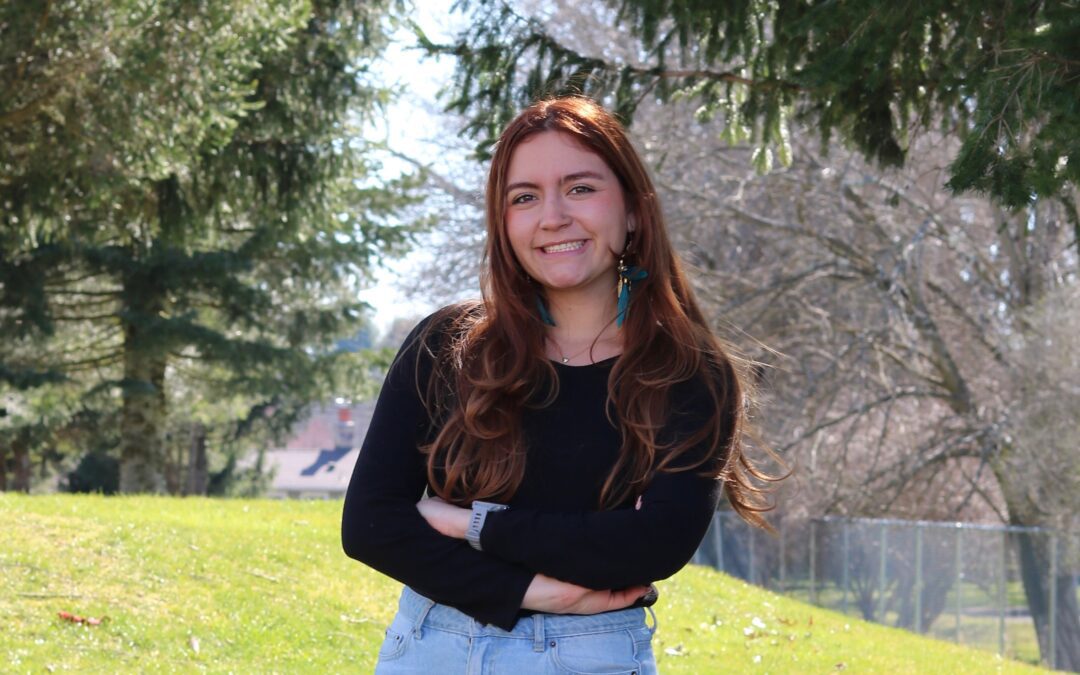
The Coastal Expeditions Foundation team welcomed two new summer interns who have already jumped straight into life on the refuge beaches.
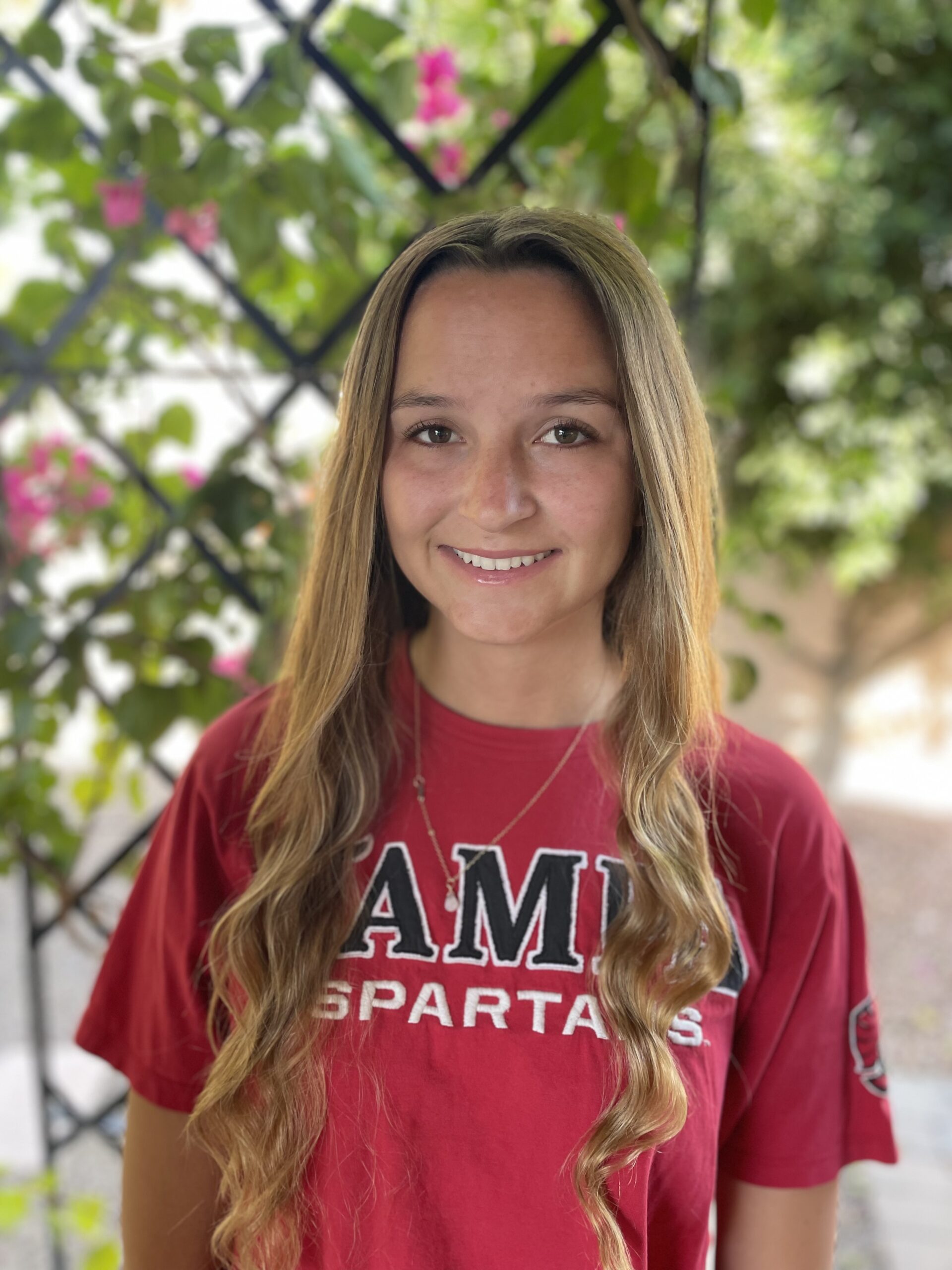
Layla Petz
Layla is from Scottsdale, Arizona and is currently studying Marine Science-Biology at the University of Tampa. She joined the team just as nesting activity accelerated and is already helping with patrols, nest inventories, and relocations across the refuge.
Jenna Albin
Originally from Greene, New York, Jenna earned her bachelor’s degree in Marine Biology from the University of Hawai‘i at Mānoa and also holds an associate’s degree in Environmental Science from SUNY Broome Community College. Her first patrol day included dolphins, horseshoe crabs, and a busy morning of nest work on Cape Island.
Together with the returning technicians and staff, the interns help make daily protection work possible.

Support the Work of the Sea Turtle Team
The Coastal Expeditions Foundation funds the work of the Cape Romain Sea Turtle Team every summer, raising over $40,000 to pay the seasonal salaries of wildlife biologists and summer interns to ensure that their work continues uninterrupted.
You can be a part of this local wildlife conservation project. Make a tax-deductible donation or adopt a nest and 100% of your contribution will directly benefit the people doing the work each day.